Sensoji Temple Hours, Entrance Fees and Tickets
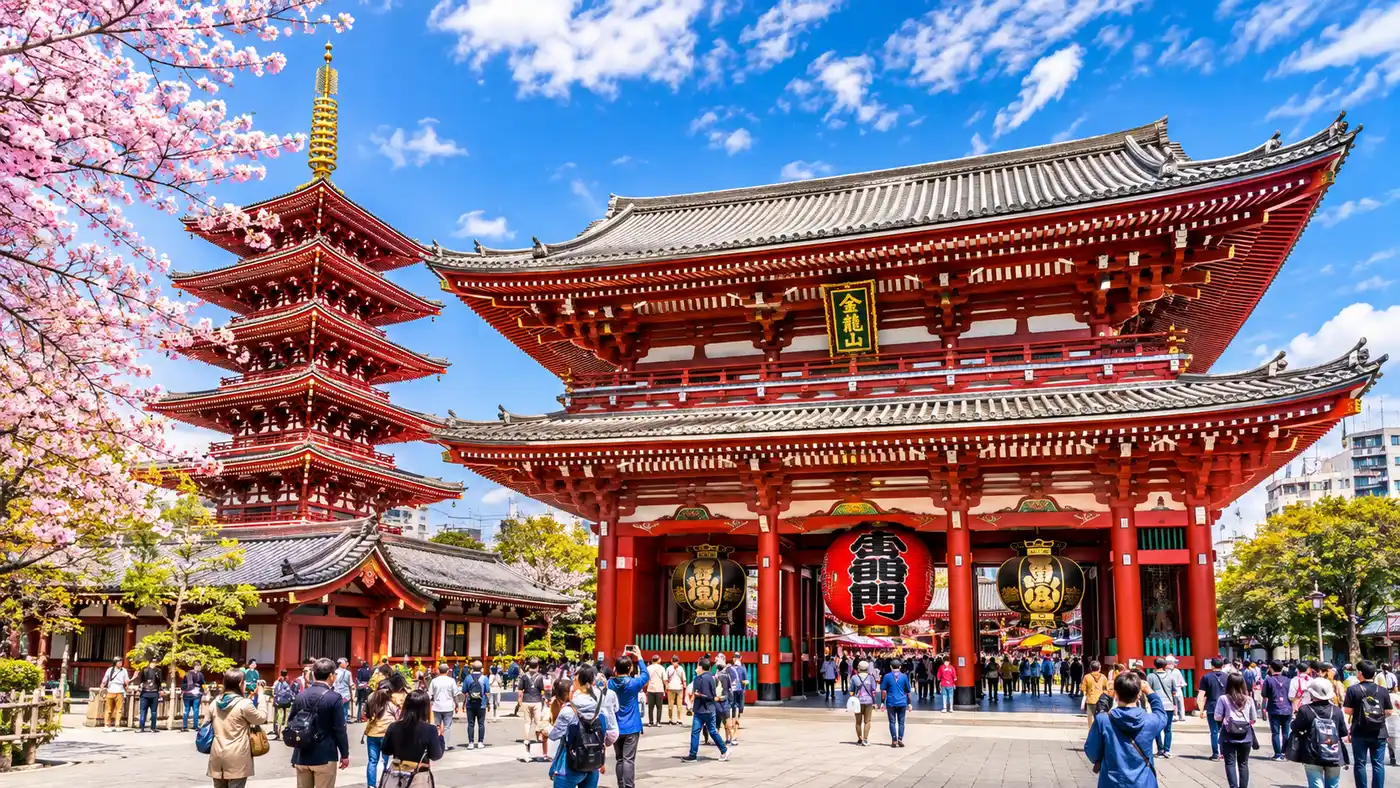
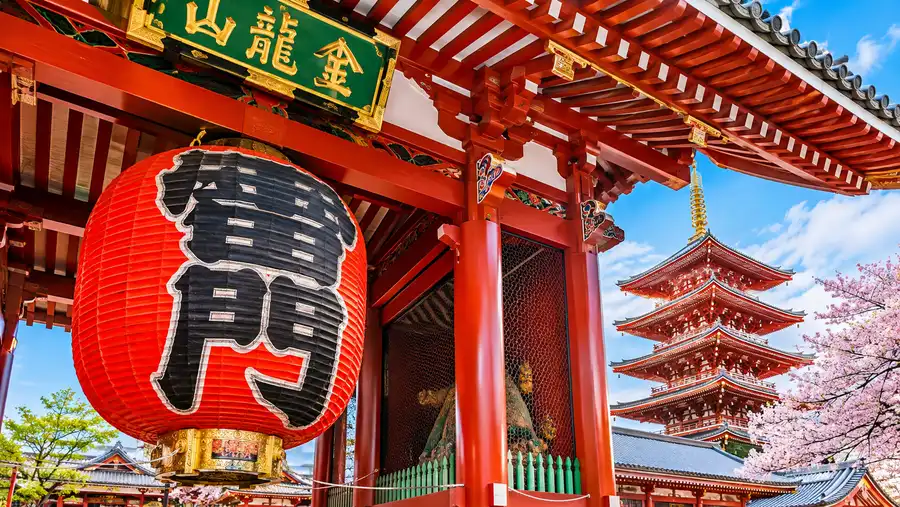
Most guidebooks make temple visits sound complicated, with strict arrival windows and ticket booths tucked into side alleys. Tokyo's oldest Buddhist temple does not play by those rules. If you are trying to pin down the exact sensoji temple tokyo hours before building your Tokyo morning itinerary, the best piece of news is that the temple gates never truly shut. You can wander past the colossal red lantern at Kaminarimon at three in the morning if jet lag kicks your bedroom door down, and nobody will stop you.
The actual buildings tell a slightly different story. While the stone courtyard and peaceful incense plazas stay open constantly, the inner hall follows a strict schedule governed by the monks. Whether you want to purchase wooden good luck amulets, hear the early morning sutra chanting, or simply avoid getting shoved aside by thousands of tour groups on Nakamise Street, knowing how the hours, gates, and admission work will spare you a massive headache.
Book your sensoji temple tokyo experience:
Sensoji Temple Tokyo Opening Hours and Hall Access
People land in Haneda or Narita and immediately search online to ask: in Tokyo can you go in Sensoji Temple whenever you want? The answer depends entirely on whether you mean touching the incense burner in the stone square or standing beneath the golden canopy of the main worship hall. The outer grounds are public property in practice. The main hall, known as the Hondo, operates on seasonal morning schedules that shift with the sun.
From April through September, the temple attendants slide open the heavy wooden doors of the Hondo at 6:00 AM sharp. From October through March, when winter mornings keep the capital darker for longer, the doors open at 6:30 AM. Arriving right at dawn is something special. The air smells cleanly of damp cedar, cold stone, and faint traces of sandalwood from the previous evening. A few neighborhood regulars walk their Shiba Inus past the five-story pagoda, bow toward the altar, and head home before the subway fills up.
Step inside, and you are welcome to walk right onto the polished wooden floorboards of the outer prayer hall. You do not need a reservation, and nobody checks your passport. The deep sanctuary where the sacred golden statue of Kannon rests is blocked off by an ornate wooden grillwork, but the space right in front of the offering box is wide open to any visitor willing to show respect.
Here is how the different areas of the complex line up throughout the day:
| Area or Facility | Opening Time | Closing Time | Admission Cost |
|---|---|---|---|
| Temple Grounds & Gates | Open 24 hours | Never closes | Free |
| Main Hall (Apr to Sep) | 6:00 AM | 5:00 PM | Free |
| Main Hall (Oct to Mar) | 6:30 AM | 5:00 PM | Free |
| Omikuji Paper Fortunes | Around sunrise | Late evening | 100 yen per slip |
| Nakamise Shopping Street | Around 9:30 AM to 10:00 AM | 6:00 PM to 7:00 PM | Free to walk |
| Goshuin Seal Office | 8:00 AM | 5:00 PM | 500 yen |
The sensoji temple tokyo opening hours apply strictly to the ritual interior. If you pull up at 5:02 PM, those massive front doors will be shut tight, locked behind thick iron bars. You can still climb the wide stone stairs and peer through the decorative slats, but your chance to step across the threshold is finished for the day.
Sensoji Temple Closing Time Tokyo and Night Visits
When five o'clock arrives, the sensoji temple closing time tokyo tourists dread catches hundreds of people off guard. Monks begin ringing bells, security personnel gently usher stragglers away from the threshold, and the golden glow inside the main hall disappears behind heavy panels. Many visitors turn around and leave immediately, assuming the entire place has gone to sleep. That is easily the biggest mistake you can make in Asakusa.
Around twilight, floodlights wash across the eaves of the five-story pagoda. The crimson paint on the gates suddenly looks twice as vivid as it did under the harsh midday sun. Shadows stretch over the stone lanterns, and the crowds drop by about eighty percent. You can actually hear the wind rustling through the nearby willow trees, an impossibility at two in the afternoon when street performers and tour megaphones compete for your ears.
Pro tip: Visit between 7:30 PM and 9:00 PM if you want dramatic photographs without tourists blocking your lens. The temple buildings remain brightly lit until 11:00 PM every night.
The adjacent market stalls tell their own story. As evening settles, shutters rattle down along Nakamise Shopping Street, revealing vibrant murals painted on the metal security doors. These paintings depict local Asakusa history, traditional festivals, and kabuki scenes, turning the closed shopping strip into an outdoor art gallery. You lose out on warm melonpan and fried red bean buns, but you gain breathing room that you will never find during daylight hours.
Sensoji Temple Tokyo Entrance Fee and Hidden Costs
Travelers often spend time looking up where to buy a sensoji temple tokyo ticket before boarding their flight. Save your energy. There is no ticket counter, no turnstile, and no online booking portal. The official sensoji temple tokyo entrance fee is zero yen. You can wander the grounds, climb the stairs of the main hall, watch rituals from the observation railing, and leave without spending a single brass coin.
Because there is no sensoji temple tokyo price for general admission, budgeting for your visit comes down to small cultural rituals and snacks. You will want small coins in your pocket. Trying to break a 10,000 yen bill at a fortune drawer creates unnecessary friction, so keep a handful of 100 yen coins handy in your coat pocket.
- Omikuji fortune slips: 100 yen dropped into a wooden slot, based on an honor system where you shake a metal cylinder until a numbered bamboo stick falls out.
- Joss incense sticks: 100 yen per small paper bundle, which you ignite over a gas burner before placing it into the massive bronze jokoro burner.
- Goshuin calligraphy: 500 yen for an authentic hand-brushed ink inscription and vermilion stamp inside your temple stamp book.
- Protective amulets (omamori): 500 to 1,500 yen depending on whether you want protection for traffic safety, academic exams, or warding off misfortune.
The temple operates on mutual trust. Nobody stands over the omikuji counter watching whether you drop your coin in before pulling a printed fortune from the wooden drawers. If you happen to pull bad luck, do not panic. Simply tie the paper slip around the designated wire racks near the courtyard so the temple spirits can bear the misfortune for you.
Book your sensoji temple tokyo experience:
The Smart Strategy: Best Times of Day to Beat the Crowds
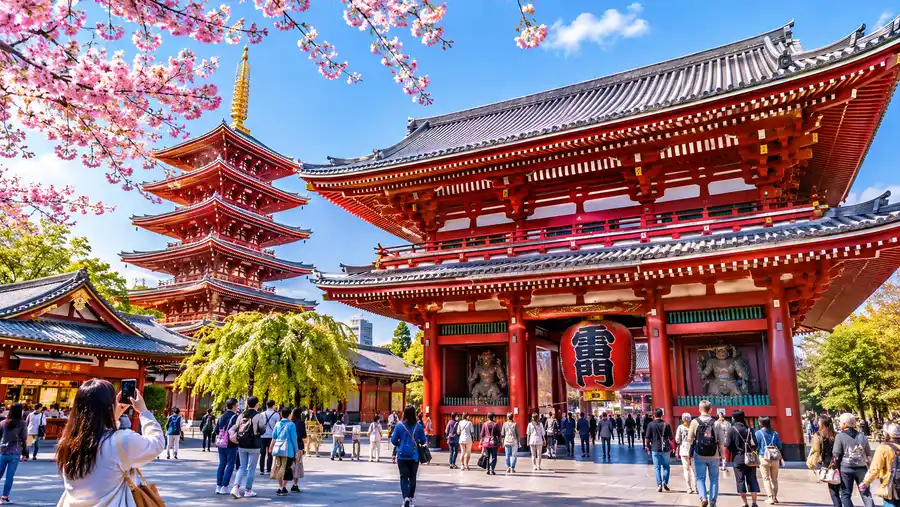
Between 10:30 AM and 4:00 PM, Sensoji becomes an ocean of people. Tour groups with matching sun visors squeeze against selfie sticks, and walking the 250 meters from Kaminarimon Gate to the main hall can take twenty crawling minutes. If you want a reflective, tranquil experience, your timing needs to be calculated.
Early mornings are your greatest ally. Catch an early train using our guide on getting to Asakusa early and aim to reach Kaminarimon around 6:15 AM. You will share the vast courtyard with elderly neighborhood locals doing radio calisthenics, delivery riders rolling past on heavy steel bicycles, and monks preparing the grounds. By 8:30 AM, the vibe shifts as early risers appear, but you still have plenty of elbow room.
Note: Photography is strictly forbidden inside the main worship hall once you step past the threshold. Keep your camera pointed down and turn your phone on silent mode out of respect for those praying.
- Dawn patrol (6:00 AM to 7:30 AM): Ideal for architecture lovers, solo travelers, and genuine quiet. Hall is open, souvenir shops are closed.
- Market prime (10:00 AM to 4:30 PM): Perfect if you prioritize street food, bustling atmosphere, and buying souvenirs, but expect shoulder-to-shoulder foot traffic.
- Night walk (7:30 PM to 10:30 PM): The best choice for street photographers and couples. Hall is closed, grounds are empty, lights are glowing.
Rainy days provide an unexpected advantage. Japanese gardens and vermilion wood look luminous against gray mist, and the sound of raindrops splashing off tiled pagoda roofs masks city noise. Rain keeps the fair-weather crowds tucked inside their hotels, leaving the temple grounds delightfully atmospheric.
Beyond the Main Hall: Gardens, Side Shrines, and Alleys
Most travelers walk up the main spine, bow at the altar, and head back toward the train station. That means missing half the property. Tucked away on the eastern side of the complex stands Asakusa Shrine, affectionately nicknamed Sanja-sama by locals. Built during the Edo period, this modest Shinto structure actually survived the World War II air raids that leveled the main Buddhist hall. It opens around 9:00 AM, charges nothing, and offers a quiet contrast to the grandiose scale of Sensoji.
West of the main hall sits a winding garden path dotted with stone Jizo statues wearing hand-knit red bibs. You will find tiny arched stone bridges over koi ponds, ancient ginkgo trees that survived bomb blasts, and a small shrine dedicated to the god of theater and entertainment. Wandering these quiet dirt paths takes maybe twenty minutes, and on most mornings, you will cross paths with barely a dozen people.
Demboin Temple, located immediately adjacent to Nakamise Street, houses an exquisite seventeenth-century stroll garden with a central pond. Its opening dates are unpredictable, opening to the public only for special exhibitions once or twice a year. If you walk past its wooden gates and spot a temporary admission sign posted, take the opportunity. The garden offers reflections of the five-story pagoda framed by manicured pine branches that few tourists ever manage to witness.
Frequently Asked Questions about sensoji temple tokyo hours
What time does the main hall at Sensoji Temple open?
The main hall opens at 6:00 AM from April through September and opens at 6:30 AM from October through March. The surrounding temple grounds and outer gates are open twenty-four hours every day of the year.
Can I visit Sensoji Temple at night after the doors close?
Yes, you can walk through the temple grounds, admire the five-story pagoda, and take photos at any hour of the night. Beautiful architectural floodlights illuminate the main structures until 11:00 PM every evening.
Do I need to buy tickets in advance for Sensoji Temple?
No tickets are needed. Admission to Sensoji Temple is completely free, and there is no entry fee or reservation system for either the outdoor courtyard or the inner worship hall.
What time do the food stalls on Nakamise Street open?
Most souvenir and food stalls on Nakamise Shopping Street start opening between 9:30 AM and 10:00 AM. They wind down for the night relatively early, closing their doors between 6:00 PM and 7:00 PM.
Quick Reference
- Grounds open 24/7 year-round
- Main hall open 6:00 AM (or 6:30 AM winter) to 5:00 PM
- General admission is 100% free
- Night floodlights turn off at 11:00 PM
Book your sensoji temple tokyo experience:
Before You Head Out
Sensoji is one of those rare global landmarks that does not penalize you for showing up without an advance reservation. You do not have to stress over sold-out dates or ticket markups. Simply decide what kind of mood fits your travel style. If you want meditation, early morning bells, and wide-open paths, set your alarm for dawn. If you want sizzling street snacks and vibrant energy, dive right into the midday frenzy. Either way, Asakusa rewards anyone who takes the time to look past the surface.
Read more about sensoji temple tokyo.